The Battle of Bannockburn Scotland stands as a defining clash in the nation's quest for sovereignty, where Robert the Bruce's forces decisively repelled a larger English army in 1314. This victory not only shattered Edward II's invasion but also galvanised Scottish resistance, paving the way for formal recognition of independence years later.[1][2][3]
The Road to Bannockburn: Scotland's Struggle for Freedom
By the early 14th century, Scotland had endured years of English domination following Edward I's brutal campaigns. After crushing William Wallace's army at Falkirk in 1298, the English held most key fortresses, but Robert the Bruce emerged as a relentless leader. Crowned King of Scots in 1306 amid civil strife, Bruce adopted guerrilla tactics—hit-and-run raids that reclaimed vast territories. By 1313, only Berwick and Stirling Castle remained in English hands, the latter commanding the vital Forth crossing.[2][3][6]
Bruce's Ultimatum and the Siege
Bruce issued a decree demanding allegiance from John Balliol's lingering supporters, threatening land forfeiture. Simultaneously, his brother Edward besieged Stirling Castle, where the garrison pledged surrender by midsummer 1314 if unrelieved. This deadline forced Edward II's hand; assembling the largest army ever to invade Scotland—some 13,000 to 20,000 strong, including Welsh archers and heavy cavalry—he marched north to lift the siege.[1][3][6]
Scottish Resilience Under Bruce
Bruce's schiltrons—tight infantry formations of spearmen—proved devastating, trained for offensive use unlike Wallace's defensive stance. With around 6,000 men, mostly infantry, the Scots faced overwhelming odds but leveraged terrain: the marshy Bannock Burn and wooded slopes near Stirling.[1][2][3]
Key Figures: Leaders Who Shaped the Battle
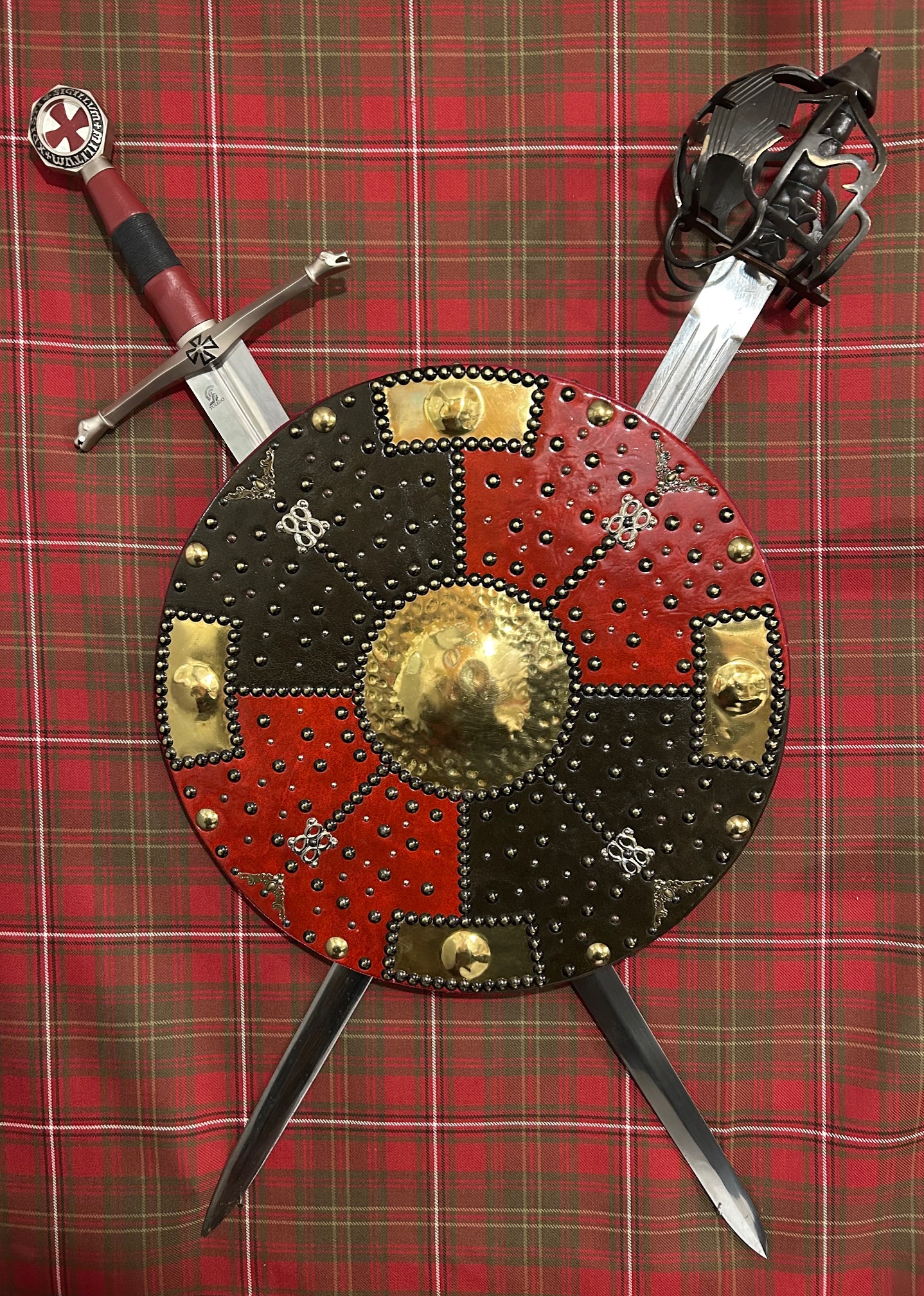
Robert the Bruce commanded with tactical genius, his four divisions forming a diamond: himself at the rear, Thomas Randolph to the north, James Douglas east, and Robert Keith's 500 horsemen in reserve.[3] Edward II led a demoralised force plagued by poor leadership; key losses included Gilbert de Clare, Earl of Gloucester, and Sir Robert Clifford.[3][6]
Robert the Bruce and the Clan Bruce
Bruce, born into a powerful lineage, embodied Scottish defiance. His personal duel with Henry de Bohun on the first day—felling the knight with a single axe blow—boosted morale.[3] The Bruce clan's loyalty underpinned his rise.
Supporting Clans: Stewarts, Campbells, and Douglas
Clans like the Stewarts and Campbells rallied to Bruce, their warriors integral to the schiltrons. Sir James Douglas's flanking manoeuvres disrupted English advances.[3][6]
The Battle Unfolds: Two Days of Fury
Fought on 23-24 June 1314, the battle began with English cavalry probes repulsed by Scottish spearmen. Overnight, Bruce positioned his army to block the dry crossing of the burn, forcing English into boggy ground.[1][2][3]
First Day: Probes and the Bohun Duel
On 23 June, English knights under Clifford and Gloucester charged but faltered against schiltrons. Bruce's victory over de Bohun in single combat electrified his troops, while Randolph recaptured a vital pass from a larger English force.[3]
Second Day: Schiltron Triumph and Rout
24 June saw Bruce unleash his formations offensively. English archers and cavalry broke on the spear walls; Keith's horse smashed the archers. Panic spread as English nobles fell, their army fleeing towards Stirling, suffering thousands dead or captured.[1][3][5][6]
Tactics and Terrain: Bruce's Masterstroke
Bruce's genius lay in terrain exploitation—the burn's marshes funneled English into kill zones. Schiltrons advanced en masse, unlike prior static use, shattering heavy cavalry. English overconfidence and supply woes compounded their defeat.[1][3]
Numbers and Losses
Scots: ~6,000 (few hundred losses). English: 13,000-20,000 (thousands killed/captured, including 34 barons).[1][2][6]
Aftermath: Securing Scottish Sovereignty
Bannockburn legitimised Bruce's rule; Scots united, Europe recognised him as king. By 1315, only Berwick held out. Released hostages included Bruce's family; he rewarded allies like Gilbert Hay with high office. Edward III acknowledged independence in 1328 via the Treaty of Northampton, though conflict resumed later.[3][6]
FAQs
When was the Battle of Bannockburn?
The Battle of Bannockburn occurred on 23-24 June 1314, during the First War of Scottish Independence.[1][2][3][6]
Why did Scotland win at Bannockburn?
Scotland triumphed through Robert the Bruce's superior tactics, schiltron offensives, and masterful use of marshy terrain near the Bannock Burn, which disrupted the larger English army's cavalry and cohesion.[1][3][6]
Where exactly was the Battle of Bannockburn fought?
The battle unfolded near Stirling Castle, on the banks of the Bannock Burn in central Scotland, where boggy ground and burns confined English movements.[1][2][3][6]
Who were the key commanders at Bannockburn?
Scotland: Robert the Bruce, Thomas Randolph, James Douglas, Edward Bruce. England: Edward II, Gilbert de Clare (Earl of Gloucester), Humphrey de Bohun (Earl of Hereford).[3][6]
What happened after Scotland won at Bannockburn?
The victory solidified Bruce's kingship, led to the release of Scottish hostages, and culminated in the 1328 Treaty of Northampton recognising independence, though wars persisted.[3][6]
Delve deeper into Scotland's storied past at ScottishShields.com—from exploring Stirling Castle to tracing your roots with our clan histories and browsing fine heritage items in our shop. Discover the shields that guard your legacy.