The Battle of Culloden Jacobite rising stands as a pivotal clash that shattered Highland dreams of restoring the Stuart monarchy, unfolding on 16 April 1746 near Inverness in the Scottish Highlands. This decisive encounter pitted the exhausted Jacobite forces under Charles Edward Stuart—known as Bonnie Prince Charlie—against the disciplined British army commanded by the Duke of Cumberland, marking the final stand of the 1745 rebellion on British soil.
The Jacobite Rising of 1745: Origins of Ambition
The Jacobite cause traced its roots to the 1688 Glorious Revolution, when the Catholic James VII and II was deposed in favour of the Protestant William of Orange. For decades, supporters—Jacobites, from the Latin Jacobus for James—sought to reinstate the Stuart line. The 1745 rising, dubbed 'The Forty-Five', represented the most audacious bid yet, led by Charles Edward Stuart, grandson of James VII and II.
Charles Edward Stuart's Bold Arrival
In July 1745, with scant French backing, the 24-year-old prince landed on Eriskay in the Outer Hebrides. Defying odds, he rallied Highland clans loyal to the Stuarts, capitalising on their grievances against Hanoverian rule under King George II. Clans such as the Frasers, Macdonalds, and Camerons flocked to his standard, drawn by ancient ties and promises of autonomy.
Early Triumphs and Southern Advance
Momentum surged with a swift victory at Prestonpans in September 1745, where the ferocious Highland charge overwhelmed government troops in minutes. Emboldened, Charles marched south into England, reaching Derby—mere 125 miles from London—by December. Yet, absent French reinforcements and English support, clan chiefs urged retreat. The Jacobites returned to Scotland, securing another win at Falkirk Muir in January 1746, but exhaustion and supply woes mounted as Cumberland's army advanced north.
The Road to Culloden: Exhaustion and Desperation
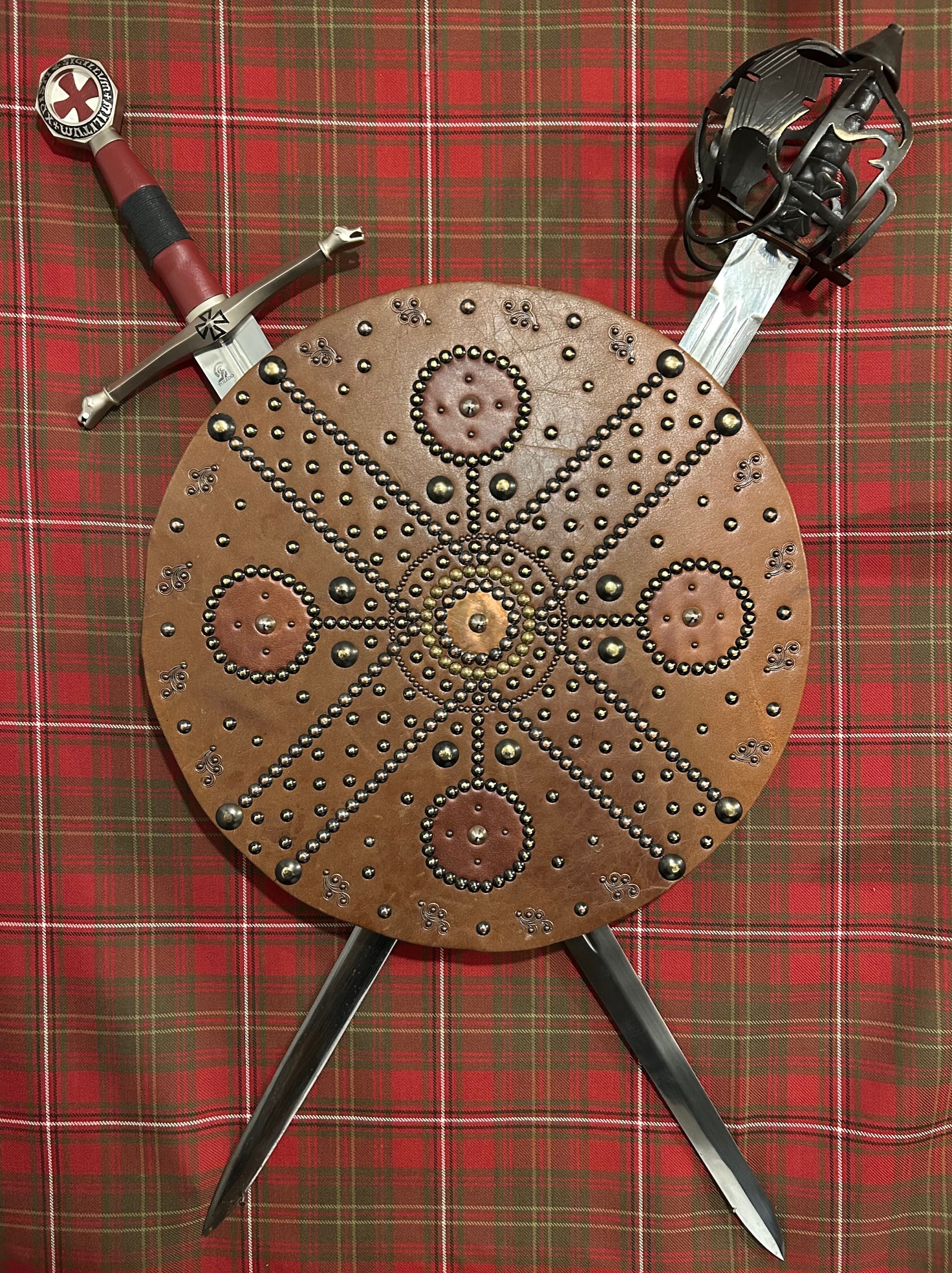
By spring 1746, the Jacobite army, numbering around 6,000, retreated to Inverness. Charles established base there, but relentless pursuit by 8,000 government troops eroded their strength. A failed night attack on Cumberland's camp at Nairn on 15 April left Jacobites famished and fatigued, having marched through the night without rations.
Strategic Missteps
Forced to fight on unfavourable terrain—a windswept moor east of Inverness—the Jacobites formed lines facing northeast, their left flank against Culloden Park walls. Government forces, better drilled and equipped with superior artillery, approached methodically. Charles's reliance on traditional Highland tactics clashed against modern musket volleys and grapeshot.
The Battle Unfolds: A Slaughter in Under an Hour
On 16 April, as morning mist lifted, Cumberland's artillery opened fire at 500 metres, shredding Jacobite ranks. Highlanders endured punishing cannonade for nearly two hours, their lines decimated before advancing. At noon, the order came: the clans charged, but enfilading fire from wings and dragoons halted them short of bayonets.
The Futile Charge and Rout
Regiments like the Macdonalds on the left pressed forward valiantly, but government cavalry sliced through gaps. The centre crumbled under relentless fire; the right wing never fully engaged. Within 60 minutes, over 1,500 Jacobites lay dead or dying—casualties ten times those of the enemy at around 300. Survivors fled, pursued mercilessly by dragoons under Major-General Humphrey Bland, who offered quarter to few beyond French officers.
Aftermath: Cumberland's Ruthless Pacification
Dubbed 'Butcher Cumberland', the Duke unleashed a scorched-earth campaign. Troops razed villages, seized livestock, and executed prisoners, many shipped as indentured labourers to American colonies. Charles evaded capture for five months, aided by loyalists like Flora MacDonald, before escaping to France.
Acts of Proscription and Cultural Dismantling
Parliament enacted the Disarming Act of 1716 enforcement and Dress Act of 1746, banning tartan, bagpipes, and weapons—symbols of clan identity. Clan chiefs lost judicial powers; heritable jurisdictions were abolished. These measures paved the way for the Highland Clearances, evicting tenants for sheep farming, fracturing Gaelic society.
Legacy: End of an Era for the Highlands
Culloden extinguished Jacobitism as a political force, cementing Hanoverian dominance. It symbolised the death knell for the clan system, ushering modernisation at grievous human cost. Today, the battlefield, preserved by the National Trust for Scotland, draws visitors to graves marked by clan stones, reflecting on a lost world. Explore more at our castles pages, from strategic strongholds like those that factored in Jacobite sieges.
Frequently Asked Questions
When was the Battle of Culloden?
The Battle of Culloden occurred on 16 April 1746, on Drummossie Moor near Inverness, culminating the 1745 Jacobite rising.
Why did the Jacobites lose at Culloden?
Jacobites lost due to exhaustion from prior marches, inferior numbers (6,000 vs 8,000), devastating government artillery, and failure of the Highland charge against disciplined lines and cavalry flanks.
Which clans fought at Culloden?
Prominent clans included the Macdonalds, Camerons, Frasers, Stewarts of Appin, and Macphersons, forming the core of Charles's Highland army.
What happened to the Highland clans after Culloden?
Clans faced brutal reprisals: executions, village burnings, and proscriptive laws banning arms, dress, and gatherings, leading to cultural suppression and eventual Clearances.
Is Culloden battlefield worth visiting?
Yes, the site offers immersive exhibits, clan grave markers, and leanach cottage, providing profound insight into this transformative event.
Delve deeper into Scotland's storied past through ScottishShields.com. Discover clan histories at /clans/fraser, browse our shop for heritage artefacts, and plan your journey via our castles guide.