Scotland's rugged **Highland castles** stand as enduring symbols of clan power, royal intrigue, and unyielding defiance against invaders. Perched on rocky crags, guarding sea lochs, or overlooking vast glens, these fortresses have shaped the nation's turbulent history, from medieval skirmishes to Jacobite rebellions. This guide uncovers their stories, revealing why they remain essential destinations for anyone tracing Scotland's martial past.
Iconic Highland Castles: Architectural Marvels and Strategic Strongholds
Highland castles were engineered for defence in a landscape of fierce rivalries. Built from local stone, many feature thick walls, narrow arrow slits, and imposing towers designed to repel sieges. Their positions—often on islands, cliffs, or loch shores—maximised natural barriers while commanding vital routes through the Great Glen and beyond.
Eilean Donan Castle: Guardian of the Sea Lochs
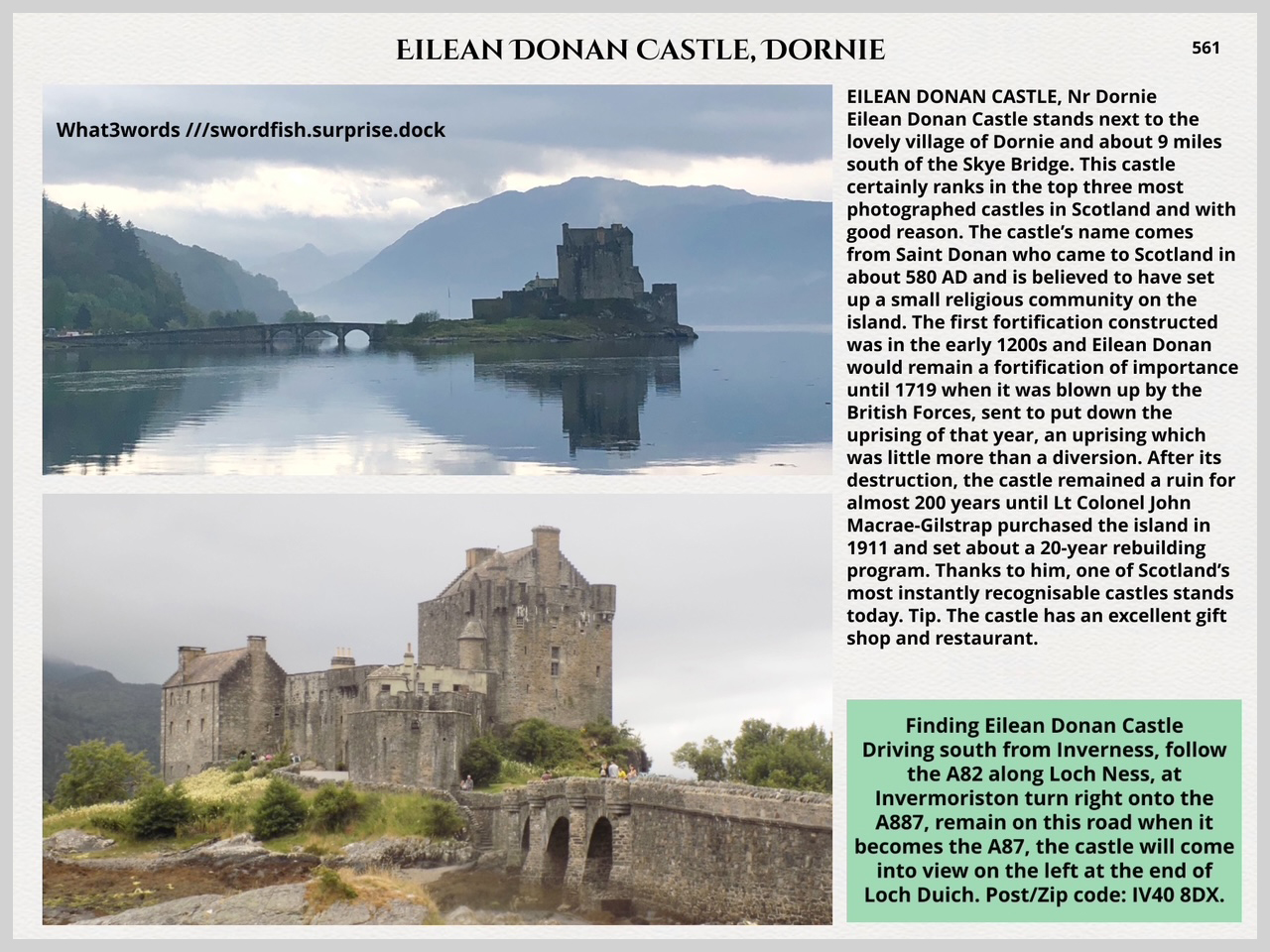
Situated on a tidal island where Loch Duich, Loch Alsh, and Loch Long converge, Eilean Donan Castle exemplifies dramatic Highland architecture. First fortified in the 13th century as a bastion for Clan Mackenzie and their allies, the Macraes, it guarded the Kintail lands against Viking raids and English incursions. Destroyed in 1719 during a Jacobite setback, it lay in ruins until John Macrae-Gilstrap rebuilt it between 1911 and 1932, restoring its iconic silhouette. Today, visitors explore restored halls lined with Jacobite weaponry and period furnishings, with panoramic views across the lochs. Its striking form has starred in films like Highlander and The World Is Not Enough, cementing its status as Scotland's most photographed castle.
Urquhart Castle: Sentinel of Loch Ness
Overlooking the mysterious depths of Loch Ness, Urquhart Castle's extensive ruins dominate Strone Point. Occupied since the 13th century, it changed hands repeatedly during the Wars of Independence and later clan feuds, suffering destruction in the 17th century to prevent its use by Covenanters. The five-storey Grant Tower, crumbling yet formidable, offers climbs to battlements with vistas of the loch—prime territory for Nessie spotters. An on-site exhibition details its bloody 500-year history, from royal occupations to clan raids in the 1500s.
Clan Seat Castles: Homes of Power and Legend
Many Highland castles served as ancestral seats for Scotland's great clans, repositories of treasures, charters, and battle honours. These strongholds hosted chieftains who led their kin through centuries of alliance and enmity, their walls echoing with tales of loyalty and betrayal.
Dunvegan Castle: Clan MacLeod's Enduring Legacy
On the Isle of Skye, Dunvegan Castle claims the title of Scotland's oldest continuously inhabited castle, home to Clan MacLeod chiefs for over 800 years. Perched on a rocky promontory by Loch Dunvegan, its 14th-century extensions blend medieval keep with Victorian additions. Treasures include the Fairy Flag, a silk banner said to have granted victories in nine battles, and horn cups from Norse kings. Formal gardens, designed in the 19th century, complement the interior's oil paintings and clan relics. Three on-site shops offer souvenirs tied to MacLeod heritage.
Cawdor Castle: Shakespearean Shadows and Thane's Might
Near Inverness, Cawdor Castle, seat of the Thanes of Cawdor since the 14th century, weaves history with literary myth. Legend claims its tower was built around a thorn tree, fulfilling a prophecy, though Shakespeare amplified this in Macbeth. The 15th-century structure boasts a drawbridge, yett (iron gate), and 19th-century kitchen with original roasting spit. Woodland walks and flowering gardens enhance its appeal, drawing visitors to its antique-filled rooms.
Brodie Castle: Clan Brodie's Artistic Trove
Forres hosts Brodie Castle, a 16th-century tower house expanded in the 19th century by Clan Brodie. Near the reputed "Macbeth's Hillock," it houses an exceptional collection of Dutch Masters paintings, ceramics, and furnishings accumulated over generations. Restored interiors reveal everyday clan life, while 71 hectares of parkland include walled gardens, nature trails, and wildlife hides. Its peaceful setting belies a history tied to Moray's feuds.
Dunrobin Castle: The Châteausque Giant of the North
The largest house in the Highlands, Dunrobin Castle crowns cliffs above the North Sea near Golspie. Seat of the Earls (later Dukes) of Sutherland, its 189 rooms and 87 turrets evoke a French château, courtesy of 19th-century remodelling by Sir Charles Barry, architect of the Houses of Parliament. Built on 13th-century origins, it served as a hunting lodge before its grand expansion. Visitors tour 16 rooms, a museum of clan artefacts, and falconry displays in the gardens. Its seaside perch offers sweeping coastal views, underscoring Sutherland dominance in the Clearances era.
Highland Castles in History: From Independence Wars to Jacobite Stands
These fortresses were theatres of Scotland's defining struggles. Urquhart withstood English sieges in the 1300s; Eilean Donan fell to government ships in 1719 after sheltering Spanish Jacobite troops. Dunvegan's Fairy Flag allegedly secured MacLeod triumphs against foes like the MacDonalds. Clan seats like Cawdor navigated feuds among Campbells, Frasers, and Gordons—powerful families whose legacies endure. For deeper clan insights, explore our guides on Clan Campbell, Clan Fraser, Clan Gordon, and Clan Mackenzie.
Many castles fell into ruin post-Union, slighted to curb rebellion, yet restorations have revived them as heritage jewels. Discover more at our comprehensive castles directory.
Practical Guide: Visiting Scotland's Highland Castles
Plan your itinerary with a four-day loop from Inverness: Day 1, Urquhart and Loch Ness; Day 2, Cawdor and Brodie; Day 3, Eilean Donan en route to Skye for Dunvegan; Day 4, Dunrobin. Most sites charge entry (around £10-15 adult), open April-October, with winter limitations. Expect steep paths—wear sturdy shoes. Cafés and shops abound; book ahead for guided tours. Combine with hikes or boat trips for fuller immersion.
FAQs
What is the most famous castle in the Scottish Highlands?
Eilean Donan Castle tops the list for its photogenic island setting and cinematic fame, drawing over a million visitors yearly. Urquhart Castle rivals it for Loch Ness allure and extensive ruins.
Is Eilean Donan Castle worth visiting?
Absolutely—its restored interiors, Jacobite exhibits, and loch views make it unmissable. Allow 1-2 hours; the visitor centre's café enhances the experience.
How many castles are in the Scottish Highlands?
Hundreds exist, from major sites like these to minor ruins. Tripadvisor lists 15 top attractions, but archaeological surveys count over 500 fortified structures region-wide.
What Highland castles can you stay in overnight?
Dunvegan offers nearby lodges, while some like Inveraray (Argyll border) provide self-catering. Check listings for castles like Brodie with adjacent estates; true overnight castle stays are rare but available via luxury operators.
Which Highland castle is most associated with Jacobites?
Eilean Donan, bombarded in 1719 for harbouring Jacobite forces, holds strong ties. Urquhart also saw Jacobite activity, though less prominently.
Delve deeper into Scotland's fortress heritage through ScottishShields.com. From clan histories to castle trails, our resources equip you to uncover your own Highland legacy—start exploring today.