Scotland's rugged coastline and inland lochs host some of the nation's most impregnable strongholds: Scottish island castles. These fortifications, rising from tidal waters or deep freshwater expanses, served as vital refuges for clans during centuries of feuds, invasions, and royal conflicts. Explore their dramatic histories and enduring legacies in this guide to the Hebrides, Highlands, and beyond.
Eilean Donan Castle: Icon of the West Coast
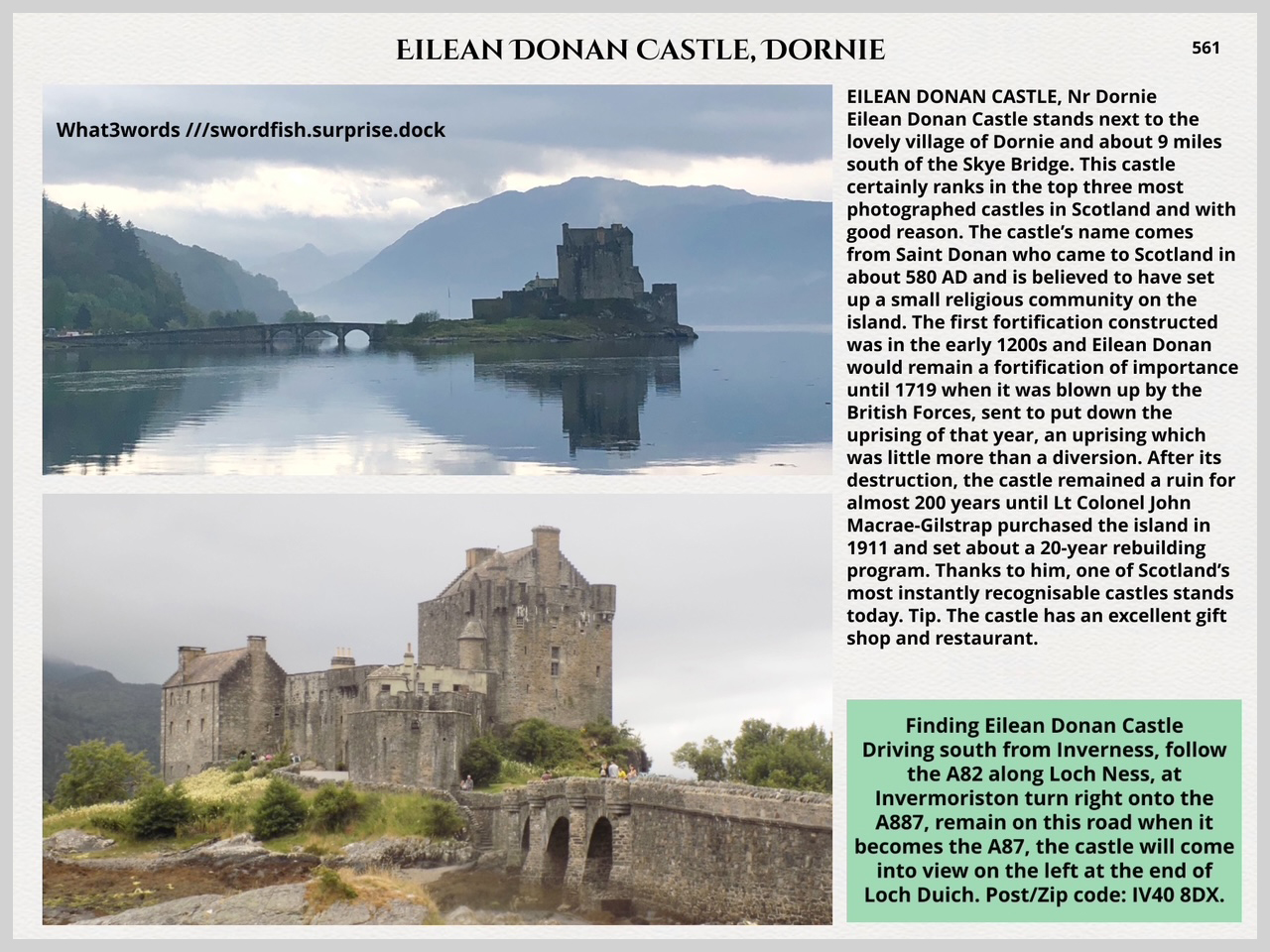
Perched on a rocky islet at the confluence of three sea lochs, Eilean Donan Castle exemplifies the strategic brilliance of Eilean Donan Castle. Originally constructed in the 13th century by the MacKenzies and MacRaes, it guarded the mainland against Viking raids and later Jacobite threats[1]. Destroyed by government ships in 1719 during an uprising, the castle lay in ruins until Lieutenant Colonel John Macrae-Gilstrap rebuilt it between 1911 and 1932, restoring its medieval silhouette with modern precision[1]. Today, a slender bridge links it to the shore, allowing visitors to wander its battlements and great hall, where clan relics whisper tales of loyalty and betrayal.
Clan Alliances and Jacobite Echoes
The castle's alliances shifted with Scotland's turbulent politics. It hosted the 1719 Jacobite fleet, whose defeat left cannonballs embedded in its walls. Macrae-Gilstrap's restoration preserved not just stone but the spirit of Highland defiance, making it a pilgrimage site for those tracing Scottish castles heritage.
Dunvegan Castle: MacLeod Seat on Skye
On the Isle of Skye, Dunvegan Castle commands Loch Dunvegan, its fairy flag and clan treasures drawing MacLeod descendants worldwide. Dating to the 13th century atop a Norse fort, the current structure evolved from a 14th-century tower house built by Malcolm MacLeod[3]. Continuously occupied by the chiefs of Clan MacLeod, it withstood Cromwell's troops and economic hardship, remaining the oldest inhabited castle in Scotland's possession of a single family.
Legends of the Fairy Flag and Sea Gate
Central to Dunvegan's lore is the Fairy Flag, a silk banner said to grant victory in battle three times. The castle's sea gate allowed boat access during sieges, underscoring its island defences. Gardens and a private beach enhance modern visits, blending 800 years of history with Hebridean tranquillity.
Kisimul Castle: MacNeil Stronghold on Barra
In the Outer Hebrides, Kisimul Castle crowns a tidal islet in Castlebay harbour on Barra. Named from Gaelic 'ciosamul' meaning 'castle island', its mid-16th-century origins tie it to the Chiefs of Clan MacNeil, who trace descent from Irish kings[3]. The MacNeils ruled as sea lords, their galley fleets dominating the Minch. Restored in the 20th century by the 46th chief, the castle now gleams with medieval furnishings, from the great hall's oak beams to the armoury.
Lords of the Isles Connection
Kisimul served as a key outpost for the Lords of the Isles, that semi-independent Hebridean kingdom blending Norse and Gaelic power. Its drawbridge and seaward walls repelled attackers, while the chief's wife reputedly rowed guests ashore in a birch canoe.
Castle Stalker and Castle Tioram: Lochside Sentinels
Castle Stalker rises from a tidal islet in Loch Laich, near Oban. Built around 1320 by Clan MacDougall, it passed to the Stewarts of Appin after their opposition to Robert the Bruce. In 1520, Campbell assassins slew Alexander Stewart while he fished nearby, cementing its bloody reputation[1]. Visible from the A828, it starred in Monty Python and the Holy Grail, yet retains authentic 16th-century towers.
Nearby, Castle Tioram guards Loch Moidart on the mainland's edge, though tides isolate its promontory. A 13th-century MacDonald stronghold, it hosted the Jacobite rising of 1715 before burning—allegedly by its own chief to deny Hanoverian forces[1]. Access the island at low tide for views of its gaunt ruins.
Rivalries of Appin and the Isles
These castles epitomise clan warfare: Stewarts versus Campbells at Stalker, MacDonalds holding Tioram against royal sieges. Their loch settings offered escape by coracle, a tactic honed over generations.
Innis Chonnell and Loch an Eilein: Inland Island Forts
Loch Awe harbours Innis Chonnell Castle, an early Campbell bastion from the 13th century[1][2]. Here, the clan forged its Argyll empire, hosting parliaments before abandoning it in the 1400s for mainland sites like Kilchurn. View its ruins by boat, scrambled through trees on the quiet shore.
In the Cairngorms, Loch an Eilein Castle crowns an island in a pine-ringed loch. Built around 1300, it housed Alexander Stewart, the Wolf of Badenoch, whose raids terrorised Perthshire. Abandoned after a 15th-century siege, its shell reflects in glassy waters, ideal for walkers[1].
From Wolf to Wilderness
These freshwater fortresses highlight Scotland's diverse terrain: Innis Chonnell's Campbell roots contrast Loch an Eilein's lawless past, both leveraging water as moat and mirror.
Other Notable Island Castles
Lochleven Castle, on an island in Kinross-shire, imprisoned Mary Queen of Scots in 1567 before her daring escape[2]. Built around 1250, it controlled central Scotland's routes[3]. Further north, Noltland Castle on Westray in Orkney features 16th-century artillery defences against pirates[3]. Brodick Castle on Arran, seat of the Dukes of Hamilton, overlooks the Firth of Clyde with 13th-century origins[8]. These lesser-visited gems reward the determined explorer.
Frequently Asked Questions
What is the most remote island castle in Scotland?
Muness Castle on Unst in Shetland holds the title as the UK's northernmost castle, built in 1598 amid Zetland's isolation. Its ruins overlook the North Sea, far from mainland bustle[3].
Can you visit Kisimul Castle on Barra?
Yes, Historic Scotland manages summer boat trips from Castlebay, with restricted access to the restored interiors. Check tides and bookings for this Hebridean jewel[3].
Is Dunvegan Castle the oldest inhabited castle in Scotland?
Dunvegan claims distinction as the oldest continuously inhabited by one family, the MacLeods, since the 14th century on 13th-century foundations. No other matches this lineage[3].
How do you get to island castles in Scotland?
Access varies: bridges serve Eilean Donan and Dunvegan; ferries reach Barra for Kisimul; boats or low tides for Lochleven and Stalker. Public paths lead to Loch an Eilein viewpoints[1][2].
Which island castle was the seat of the Lords of the Isles?
Finlaggan Castle on Islay served as the administrative heart of this 12th-15th century lordship, though Kisimul and others were key strongholds for the MacDonald overlords[3].
Delve deeper into Scotland's fortified past through ScottishShields.com's castle directory and clan pages. Plan your pilgrimage to these sea-girt fortresses—where water once meant safety, now it beckons adventurers to uncover layers of history.