In the turbulent annals of Robert the Bruce Scotland history, one name stands above all as the architect of national survival: Robert I, the king who transformed defeat into dominion through sheer tenacity and strategic mastery of stone-walled fortresses. Born into a noble Scoto-Norman family in 1274, likely at Turnberry Castle in Ayrshire, Bruce's path from feudal lord to legendary monarch unfolded amid the Wars of Scottish Independence, where castles served not merely as shelters but as pivotal instruments of power and resistance[7][3].
From Feudal Lord to Fugitive King
Robert the Bruce's ascent began in a Scotland reeling from English domination. After John Balliol's abdication in 1296, Edward I of England imposed direct rule, capturing key strongholds like Stirling Castle—the last major Scottish fortress to fall in 1304[2]. Bruce, inheriting titles as Earl of Carrick and Lord of Annandale from his Bruce clan lineage, initially navigated a precarious allegiance, swearing fealty to Edward while harbouring ambitions for the throne as a descendant of David I[2][3].
The Murder of Comyn and the Seizure of the Crown
The turning point came in February 1306 in Dumfries, where Bruce stabbed his rival John Comyn, the powerful Guardian of Scotland, during a heated dispute inside a church—a sacrilegious act that led to his excommunication by Pope Clement V[1][3]. Undeterred, six weeks later on 25 March 1306, Bruce was inaugurated King Robert I at Scone Abbey in a ceremony of defiant pomp, using robes hidden by Bishop William de Lamberton despite the absence of traditional regalia seized by the English[1][3]. Edward I branded him a fugitive, dispatching forces that crushed Bruce's army at the Battle of Methven in summer 1306, forcing the king into hiding amid the wilds of Rathlin Island and the Scottish highlands[3].
Guerrilla Warfare and the Spark of Resistance
From these desperate straits, Bruce rebuilt his forces through hit-and-run tactics. In 1307, he defeated an English army at Loudoun Hill, marking the resurgence that would reclaim Scotland castle by castle[2][3]. Edward I's death en route to invade Scotland that same year handed Bruce a vital reprieve, allowing him to systematically dismantle English garrisons[2].
Strategic Mastery: Castles as Pillars of Bruce's Campaign
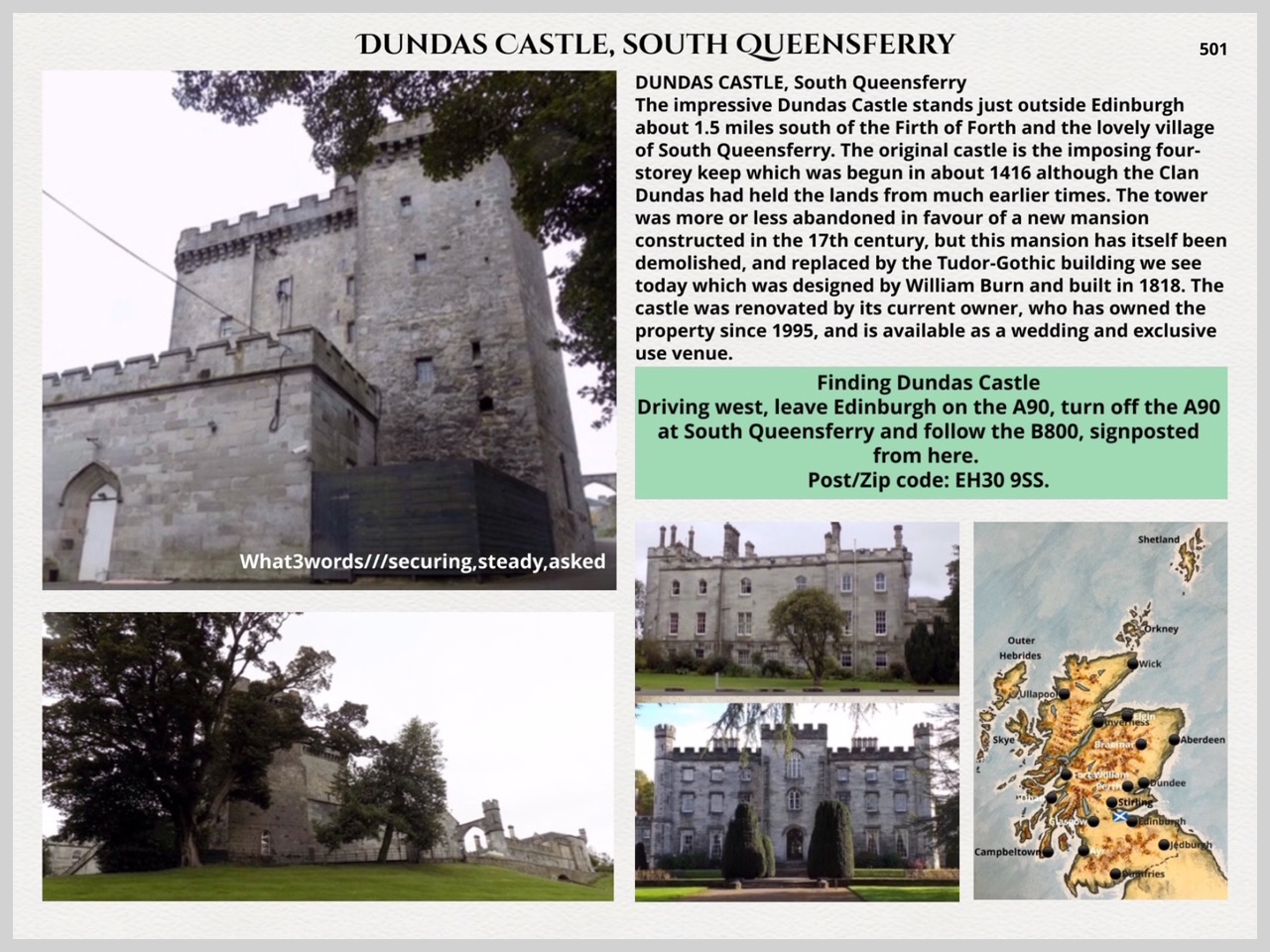
Castles were the lifeblood of Bruce's strategy, symbols of legitimacy and bases for offence. He targeted English-held fortresses relentlessly, understanding that control of these stone behemoths meant dominion over the land. By early 1314, Stirling Castle stood as the sole major English stronghold north of the border[2].
Stirling Castle: The Prize That Ignited Bannockburn
Stirling Castle, perched atop its volcanic crag, epitomised the strategic chokepoint of medieval Scotland. Its commander, Sir Philip Mowbray, agreed to surrender to Edward II's relief force by Midsummer's Day 1314 if not rescued. This deadline drew the English into Bruce's trap at Bannockburn, where his smaller army routed them decisively[2][3]. The victory not only secured Stirling but shattered English pretensions, affirming Bruce's grip on Scotland's heartland.
Dunnottar and Edinburgh: Symbols of Defiant Holdouts
Further afield, Dunnottar Castle on its Aberdeenshire clifftop endured as a northern bastion, resisting English incursions during Bruce's campaigns against Comyn allies[3]. Similarly, Edinburgh Castle, the unassailable rock fortress overlooking the capital, fell to Bruce's forces in 1314 after a daring nocturnal assault led by his brother Edward, who scaled the sheer north wall with ropes[3]. These captures crippled English logistics and bolstered Bruce's authority.
Other Key Strongholds: Dunstaffnage, Perth, and Beyond
Bruce's net widened: he seized Dunstaffnage Castle in Argyll after the Battle of Pass of Brander in 1308, extinguishing MacDougall resistance[3]; Perth in 1312 via a frozen river assault; and Linlithgow and Dumbarton in 1310-1311[3]. By 1318, even Berwick-upon-Tweed, the last English foothold, was his. These victories stemmed from Bruce's scorched-earth policies, like the Harrying of Buchan, which razed Comyn castles and starved opposition[3].
The Battle of Bannockburn: Scotland's Defining Triumph
On 23-24 June 1314, near Stirling, Bruce faced Edward II's 20,000-strong host with just 6,000-10,000 Scots. Feigning weakness, Bruce lured the English into boggy ground flanked by the Bannock Burn. His schiltrons—tight pike formations—shattered English knights, while captain of the host Thomas Randolph repelled a flanking manoeuvre. The second day's chaos saw English ranks collapse, Edward fleeing south as thousands perished[2][3][4]. Bannockburn secured Bruce's rule, liberated most castles, and paved the way for invasions into northern England, extending Scottish pressure into Ireland via his brother Edward in 1315[3].
Diplomatic Triumphs and the Road to Recognition
Military prowess alone did not suffice; Bruce wielded diplomacy masterfully. Despite Bannockburn, Edward II clung to overlordship claims, prompting the 1320 Declaration of Arbroath—a noble petition to Pope John XXII asserting Scotland's independence and Bruce's divine right[2][3]. Excommunication lifted, Bruce forced concessions: the 1328 Treaty of Edinburgh-Northampton, signed by Edward III, recognised Scottish sovereignty and Bruce as king, sealing three decades of war[1][2].
Legacy of a King: Death and Enduring Influence
Bruce's later years focused on consolidation. He held parliaments from 1309, fostering governance amid raids into England[3]. Stricken by illness—possibly leprosy—he died on 7 June 1329 at Cardross Castle on the Clyde, succeeded by his son David II[2][3]. His heart, removed post-mortem, was carried on crusade by Sir James Douglas but buried at Melrose Abbey; his bones rest in Dunfermline Abbey[3]. Bruce's legacy endures in Scotland's independence, immortalised in Clan Bruce heraldry and the castles that bear witness to his era. For enthusiasts, our shop offers artefacts evoking this pivotal history.
Frequently Asked Questions
When did Robert the Bruce become king?
Robert the Bruce was crowned King of Scots on 25 March 1306 at Scone Abbey, six weeks after murdering John Comyn, in a ceremony defying English occupation despite lacking traditional regalia[1][3].
What castles did Robert the Bruce control?
Bruce captured or controlled Stirling, Edinburgh, Dunnottar, Dunstaffnage, Perth, Linlithgow, Dumbarton, and Berwick, systematically reducing English and rival strongholds from 1307 to 1318[2][3].
How did Robert the Bruce win Scottish independence?
Through guerrilla warfare, victories like Bannockburn in 1314, diplomatic efforts including the Declaration of Arbroath in 1320, and the 1328 Treaty of Edinburgh-Northampton, which Edward III signed recognising Scotland's sovereignty[2][3].
Was Robert the Bruce really inspired by a spider?
The tale of Bruce drawing inspiration from a spider weaving its web after six failures during his 1306 hiding is apocryphal, emerging centuries later in 18th-century folklore rather than contemporary accounts[1].
Where is Robert the Bruce buried?
Robert the Bruce died at Cardross Castle in 1329 and was buried at Dunfermline Abbey; his heart was embalmed and taken on crusade, later interred at Melrose Abbey[2][3].
Delve deeper into Scotland's storied past at ScottishShields.com, where Clan Bruce histories, detailed castle explorations like Stirling Castle, and exclusive shop items await to connect you with the legacy of Robert the Bruce.