Discover the rugged elegance of Scottish tower houses, those iconic stone sentinels that defined the lives of lairds and clans across the Highlands and Borders for centuries. These formidable structures, born from necessity in an era of feuds and reivers, blend defence with domesticity, standing as enduring symbols of Scotland's turbulent past.
Origins and Rise of the Tower House
The tower house emerged in the late medieval period, particularly after the Wars of Independence, when relative peace allowed lairds to consolidate power through land grants from Robert the Bruce. Tower houses represented a simplified evolution from earlier enclosure castles, featuring a single dominating tower often surrounded by a lower barmkin wall for protection.[3] This design met the demands of security, economy, and status in uncertain times, with thick stone walls forming a plain rectangular block, typically four or five storeys high.[2][6]
By the fifteenth century, the trend accelerated: at least 131 tower houses were constructed between 1400 and 1500, marking a shift from grand castles to more accessible fortified residences for the elite and lesser lairds alike.[4] In southern Scotland, families like the Douglases exemplified this, as William Douglas rebuilt Bothwell into a mighty tower house with corner towers by the late fourteenth century.[2] These structures guarded vital assets—land, livestock, and kin—against border reivers and rival clans.[5][6]
From Defensive Keep to Family Dwelling
Initially starkly functional, with first-floor entrances and vaulted cellars accessed by trapdoors, tower houses evolved with diminishing hostilities. The seventeenth century saw additions like round or square towers forming Z- or L-plans, prioritising comfort over pure defence.[4][6] Explore more about Scotland's diverse fortifications on our castles page.
Architectural Features and Variations
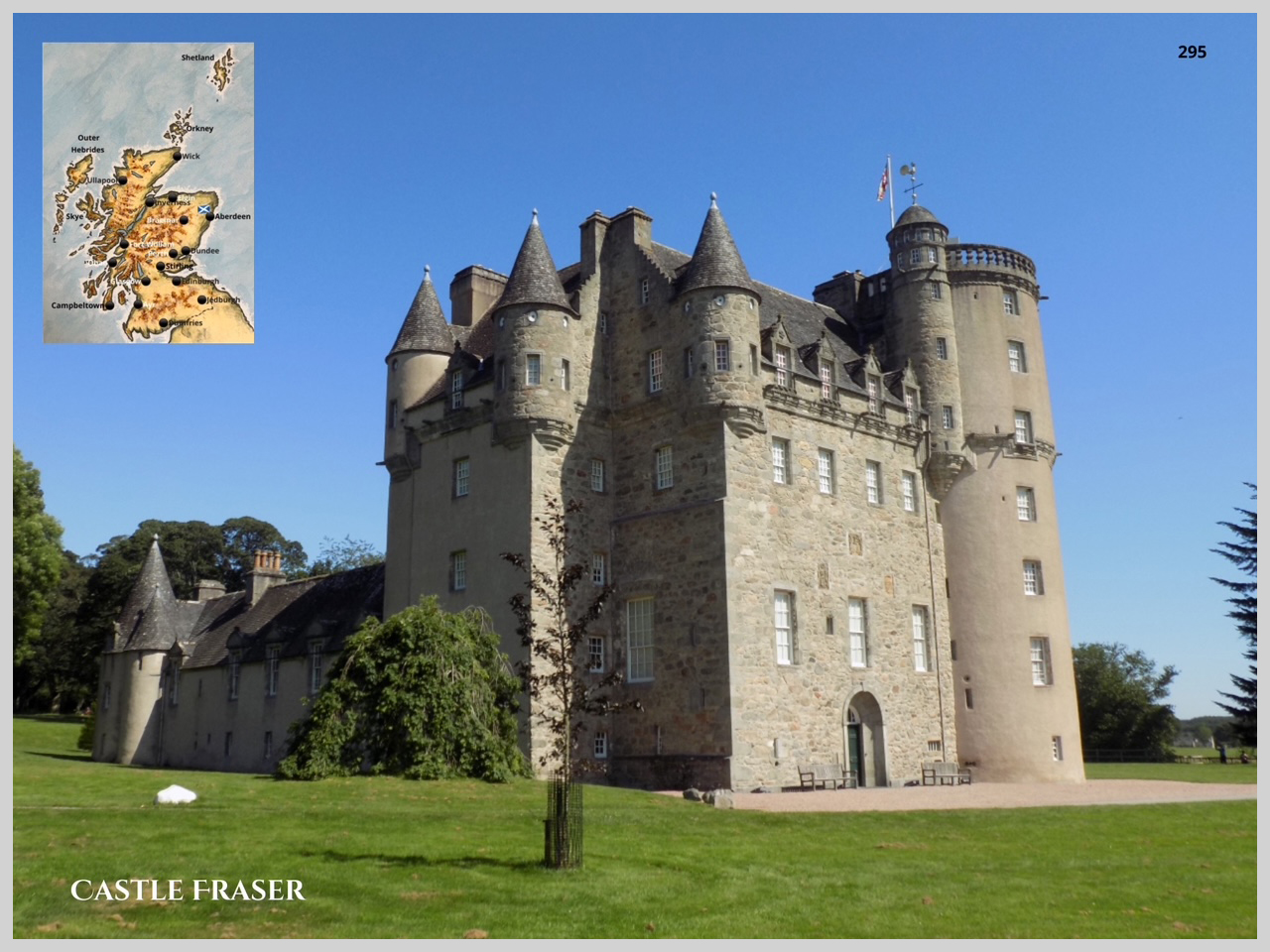
Scottish tower houses are characterised by their oblong or rectangular plans, thick walls, and practical layouts suited to feudal life. The ground floor served as a secure cellar, while the first floor held the main hall, with private chambers above and garret rooms in the roof.[4][6] Common elements include corbelled turrets, crow-stepped gables, and machicolations—projecting stone features for dropping missiles on attackers.
Plans varied regionally: simple oblong towers dominated the Borders, where over 75% of sixteenth-century examples were basic one-winged designs, smaller than their northern counterparts.[4] Northern towers, especially in Aberdeenshire, often featured elaborate Z-plans, like Claypotts Castle (1569–1588), with asymmetric roofs and round towers supporting square garrets.[1]
L-Plan and Z-Plan Innovations
The L-plan, seen in early fifteenth-century builds like the Earl's tower at Dunnottar, added wings for privacy.[9] Z-plans, with diagonal corner towers, maximised defensibility and space, as at Threave Castle, rebuilt by Archibald Douglas.[2] Border examples, such as Castlehill Tower (late fifteenth century), guarded strategic fords with strategic positioning.[5]
Regional Distribution and Clan Strongholds
Aberdeenshire and the northern regions led the tower house boom post-Independence Wars, but the Borders saw the highest concentration in the sixteenth century: 332 built nationwide, a third in Dumfries & Galloway and the Scottish Borders—one per 90 square kilometres there, versus one per 315 elsewhere.[4] This density reflected relentless reiver raids.
Clans like the Gordons and Douglases anchored many towers. The Gordons fortified their northeastern domains with robust keeps, while the Douglases, at Threave and Bothwell, crafted powerhouses blending keep traditions with residential wings.[2] Learn about the Gordon clan and their enduring legacy, or delve into the Douglas clan strongholds.
From Medieval Forts to Baronial Revival
As gunpowder rendered high walls obsolete, tower houses persisted for prestige. Renaissance influences enlarged windows and introduced straight lintels, while high roofs, turrets, and battlements signalled nobility.[1] By the seventeenth century, they transitioned to family homes with added wings.
The nineteenth-century Scottish Baronial Revival, inspired by Sir Walter Scott's Abbotsford House (rebuilt 1816), romanticised these forms. Features like pointed turrets, spiral stairs, and crow-stepped gables influenced rebuilds such as Balmoral Castle (1855–1858).[1] This fusion of Gothic Revival and ancient towers shaped public buildings and mansions worldwide.
Enduring Influence on Modern Architecture
Even into the twentieth century, architects like Charles Rennie Mackintosh echoed baronial elements in designs like The Hill House.[8] Today, these motifs evoke Scotland's martial heritage.
Life Inside a Tower House
Daily existence revolved around the tower: lairds hosted retainers in the hall, with laigh biggins handling brewing and baking outside.[3] Upper floors offered privacy for the family, a luxury in feudal society. Dundonald Castle's evolution—from fourteenth-century tower to fifteenth-century renovations splitting the hall—mirrors this shift toward domesticity.[4]
Defence remained key: arrow slits, murder holes, and yett gates (iron grilles) deterred intruders. Yet, as peace settled, towers became status symbols, their asymmetry showcasing wealth.
Frequently Asked Questions
What is a tower house in Scotland?
A tower house is a fortified stone residence, typically rectangular with thick walls, four to five storeys, and features like first-floor entrances and vaulted cellars. It combined defence with living quarters for lairds, often with a barmkin wall.[3][6]
When were tower houses built in Scotland?
Construction peaked from the late fourteenth to sixteenth centuries, with 131 built between 1400–1500 and 332 in the 1500s alone, evolving from defensive keeps amid post-Independence stability and Border turmoil.[3][4]
What is the difference between a tower house and a castle?
Tower houses are compact, self-contained towers for individual lairds, simplifying the multi-building enclosure castle. Castles often had courtyards and larger complexes, while towers prioritised a single block with added wings like L- or Z-plans.[2][3]
Where are the most tower houses in Scotland?
The Borders (Dumfries & Galloway, Scottish Borders) host the highest density—one per 90 square kilometres in the sixteenth century—due to reiver threats, though Aberdeenshire pioneered the form earlier.[4]
Are Scottish tower houses still lived in today?
Many ruins persist, but some restored examples serve as private homes or visitor sites. Evolutions like Auchans House (c.1580) show the shift to unfortified grandeur, with modern revivals in baronial style.[1][4]
Immerse yourself further in Scotland's architectural treasures through ScottishShields.com. From clan histories to castle explorations, our resources illuminate your heritage journey—start discovering today.