Delve into the turbulent saga of Clan Fraser Scotland history, a tale woven with Norman ambition, fierce Highland loyalty, and the bitter fruits of Jacobite rebellion. From their strawberry emblazoned crest to the execution block at Tower Hill, the Frasers embody the raw drama of Scotland's past, their name synonymous with both patriotic valour and pragmatic survival.
Norman Roots and the Rise in Scotland
The Frasers trace their lineage to Norman adventurers who crossed the Channel in the wake of William the Conqueror's victory at Hastings in 1066. Historians pinpoint their arrival in Scotland around 1160, when Simon Fraser gifted a church at Keith in East Lothian to the monks of Kelso Abbey[6]. From these Lowland beginnings in East Lothian and Tweedale, the clan expanded northward into Stirling, Angus, Inverness, and Aberdeen during the 12th and 13th centuries[6].
Splitting into Highland and Lowland Branches
A pivotal division occurred with Andrew Fraser's two sons: the elder, Alexander, founded the Frasers of Philorth in the northeast near Fraserburgh, who today claim senior representation; the younger, Simon—a name that would echo through generations—established the Highland branch of Fraser of Lovat[2]. By the 13th century, Frasers held lands in the Inverness area, cementing their presence amid the rugged terrain[4]. This duality shaped their identity: Lowland pragmatists and Highland warriors, united by a shared crest featuring three strawberry flowers, a symbol possibly derived from French heraldic traditions denoting survival and renewal[8].
Explore the full lineage on our dedicated Clan Fraser page, where ancient charters and chiefships unfold.
The Patriot: Sir Simon Fraser and the Wars of Independence
Long before Jacobite intrigue, Clan Fraser etched its name in Scotland's fight for freedom through Sir Simon Fraser (d. 1306), known as 'The Patriot'. Despite Franco-Norman roots, he rallied to William Wallace, commanding at the devastating Battle of Roslin in 1303, where Scottish forces routed superior English numbers through cunning ambushes in the Pentland Hills[5]. His guerrilla tactics terrorised Edward I's armies, proving a knight's loyalty could transcend bloodlines.
Execution and Enduring Legacy
Captured in 1306, Fraser met a gruesome end: quartered and beheaded in London, his head displayed on a spike. Yet his sacrifice bolstered Robert the Bruce's campaign, with Fraser knights joining the Bruce at Bannockburn. This early devotion to Scottish sovereignty set a precedent of martial prowess, far predating the clan's later political machinations[5].
Castle Fraser: Seat of Power in Aberdeenshire
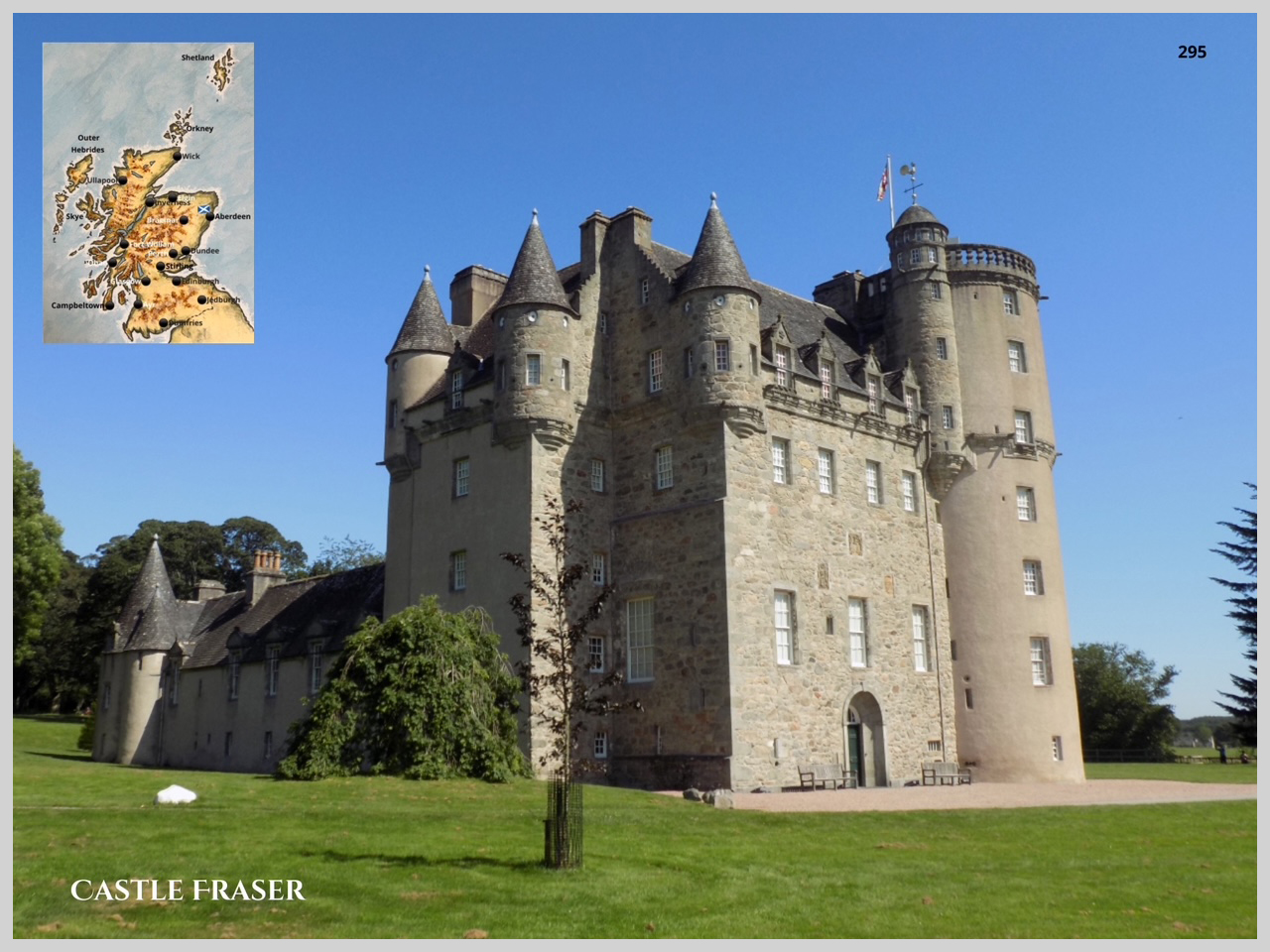
While the Lovat Frasers dominated the Highlands, the Philorth branch built enduring strongholds like Castle Fraser, a Z-plan tower house in Aberdeenshire completed in the late 16th century. Constructed by the 4th Laird, Michael Fraser, it exemplifies the clan's architectural ambition with its commanding turrets and vaulted halls, guarding fertile lands once contested in feudal strife[4]. Though distinct from Lovat seats like Beaufort Castle, it symbolises the broader Fraser footprint across Scotland's northeast.
Today, this fortress stands as a testament to clan resilience, its walls whispering of raids and alliances that defined medieval Scotland.
Jacobite Entanglements: The Fox's Duplicitous Dance
No chapter in Clan Fraser Scotland history captivates like their Jacobite odyssey, marked by Simon Fraser, 11th Lord Lovat—'The Old Fox'—whose loyalties shifted like Highland mist. In the 1715 Rising, he backed the Hanoverian government against the Earl of Mar, rallying Fraser clansmen outside Inverness and securing confiscated Lovat estates as reward[1][2]. This pragmatism stemmed from land disputes; Jacobitism offered leverage against rivals[1].
The Fatal 1745 Gamble
By 1745, with Bonnie Prince Charlie's arrival, Lovat hedged again: feigning age and loyalty to King George while dispatching his son, the Master of Lovat, with Fraser levies to the Jacobite army[3][5]. His earlier French intrigues, including plans for Highland uprisings with Louis XIV, laid groundwork for invasion[1][3]. The clan's Jacobite turn peaked at Culloden, where Frasers fought valiantly before devastating defeat. Lovat's capture on Eilean Bàn in Loch Morar led to his trial and beheading at Tower Hill in 1747—the last such execution in England[1][3].
His self-interest mirrored many chiefs: support whichever side promised estates and titles, a survival tactic amid proscriptions[1][2].
Strawberries, Symbols, and Highland Loyalty
At the heart of Fraser identity lies the strawberry flower (frais in French), a triple-blossomed crest denoting purity and resilience, possibly alluding to Norman estates or biblical renewal[8]. This emblem adorns standards from Roslin to Culloden, embodying unyielding loyalty despite betrayals. The clan motto, 'Je suis prest'—'I am ready'—captures their readiness for battle, from Wallace's fields to Charlie's standard.
Branches United in Heritage
Fraser of Lovat, Philorth, and Saltoun branches diverged yet shared this heraldry, their tartans—ancient reds and greens—worn by soldiers from medieval wars to modern regiments. Highland loyalty shone in their tenacious defence of kin and king, even when pragmatism prevailed[4][5]. Discover more clan symbols among our clan profiles.
FAQs
Where does the Fraser clan name come from?
The name Fraser derives from the French 'frais', meaning strawberry, linked to their Norman origins post-1066 Hastings. Arriving in Scotland by 1160, they carried this heraldic motif from Anjou or Flemish roots[6][7][8].
Were the Frasers Jacobites?
Yes, particularly in 1745 under Lord Lovat, who sent levies to Bonnie Prince Charlie despite earlier Hanoverian support in 1715. Their involvement stemmed from Stuart promises of titles and lands[1][2][3].
What is the Fraser clan symbol?
The clan crest features three strawberry flowers in gold, symbolising survival and renewal, with the motto 'Je suis prest'. This ties to their French-Norman heritage[4][8].
Where is Castle Fraser?
Castle Fraser lies in Aberdeenshire, northeast Scotland, seat of the Philorth Frasers. This 16th-century tower house overlooks the Howe of Cromar[4].
What battle are the Frasers famous for?
Besides Culloden, they are renowned for the Battle of Roslin in 1303, where Sir Simon Fraser crushed English forces, aiding Scotland's independence struggle[5].
Immerse yourself further in Scotland's clan heritage at ScottishShields.com. From detailed clan profiles to majestic castles, uncover your own Highland connections and trace the threads of history that bind us to this enduring legacy.